- What Does DTM Mean in Text? Exploring Its Many Faces
- The Many Meanings of DTM in Texting and Social Media
- 1. Doing Too Much
- 2. Down To Meet
- 3. Dead To Me
- 4. Don’t Text Me / Don’t Touch Me
- When Should You Use DTM — And When Not To?
- Use DTM When:
- Avoid DTM When:
- A Quick Comparison Table for Clarity
- Pros and Cons of Using DTM in Conversations
- Personal Experience: Why Context is King
- FAQs About DTM in Texting and Social Media
- What does DTM stand for in casual texting?
- Can DTM mean something negative?
- Is DTM appropriate in professional communication?
- How can I tell which meaning of DTM someone means?
- Final Thought
What Does DTM Mean in Text? Exploring Its Many Faces
Friends, have you ever stumbled upon "DTM" in a chat or social post and paused, wondering what on earth it stands for? It’s not just some secret code among millennials or Gen Z — DTM is a chameleon of text slang, shifting meaning with the context, mood, and tone of the conversation. Before diving deeper, if you enjoy unlocking hidden meanings behind cool, quirky phrases, the world of pun jokes on the main page might just brighten your linguistic day.
Now, let's unravel this mystery.
The Many Meanings of DTM in Texting and Social Media
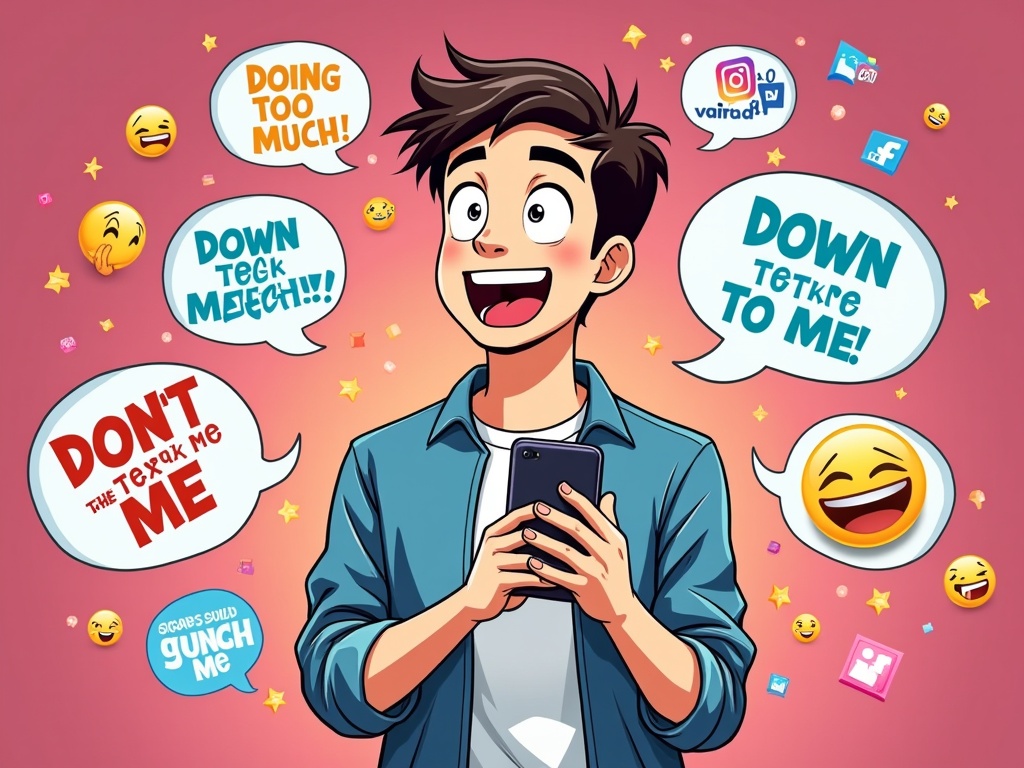
1. Doing Too Much
One of the most popular meanings is **"Doing Too Much"**—a playful jab at someone who’s being extra, dramatic, or over-the-top. Imagine your friend planning an elaborate surprise party for a simple occasion, or going to extreme lengths to make a point. That’s straight-up DTM. It’s not always negative; sometimes it’s affectionate teasing, like when someone pours their heart and soul into something ridiculously extravagant.
Example:
- “Did you see her outfit? She’s so DTM tonight!”
2. Down To Meet
Then there’s the optimistic, action-ready "Down To Meet." It’s the modern-day, breezy way of saying “I’m ready to hang out” or “Let’s get together.” Perfect when planning quick meet-ups, especially when you want to sound casual yet enthusiastic.
Example:
- *“Wanna grab coffee later?”
- “I’m DTM!”*
3. Dead To Me
But wait, there’s a sharp edge to DTM as well. "Dead To Me" is a serious, emotional term used when someone feels deeply hurt or betrayed and wants to express that they’re done with a person or situation. For example, after a harsh argument, this acronym carries significant weight and is not to be used lightly or humorously unless both sides understand.
Example:
- “After what you did, you’re DTM.”
4. Don’t Text Me / Don’t Touch Me
Less common but still notable are "Don’t Text Me" and "Don’t Touch Me," phrases setting boundaries. “Don’t Text Me” is straightforward—asking someone to stop messaging—while “Don’t Touch Me” can be said playfully or firmly when someone wants personal space.
Example:
- “DTM! I need a break from this conversation.”
- “Hands off! DTM.”
When Should You Use DTM — And When Not To?
Knowing when to toss DTM into a conversation shows social savvy. It thrives in casual chats with friends or peers who understand internet slang. But in professional settings or with people unfamiliar with such abbreviations, it can confuse or offend.
Use DTM When:
- Chatting informally with friends and family
- Wanting to be playful or sarcastic
- Making or responding to casual plans
- Describing someone’s over-the-top behavior humorously
Avoid DTM When:
- Writing professional emails or messages
- Talking to strangers or in formal groups
- Discussing serious matters that require clarity
- Using "Dead To Me" unless you’re ready for the dramatic impact
A Quick Comparison Table for Clarity
| Acronym | Meaning(s) | Tone | Best Use Case |
|---|---|---|---|
| DTM | Doing Too Much / Down To Meet / Dead To Me | Playful / Casual / Serious | Texts with close friends, social media chats |
| HMU | Hit Me Up | Friendly | Invitations, ask for a call/message |
| WYA | Where You At | Curious | Checking location or availability |
| BRB | Be Right Back | Neutral | Temporary pause in conversation |
| FOMO | Fear Of Missing Out | Emotional | Expressing anxiety or regret |
Pros and Cons of Using DTM in Conversations
| Pros | Cons |
|---|---|
| Saves time and typing space | Can confuse if recipient is unfamiliar |
| Adds casual, playful tone | Sometimes ambiguous without context |
| Flexible meanings depending on context | Not suitable for professional communication |
| Popular among younger users | May convey unintended emotions |
| Easy to remember and use | Risk of sounding dismissive or rude |
Personal Experience: Why Context is King
Picture this—I once texted a new acquaintance “Are you DTM for lunch?” intending to ask if they were down to meet. Their confused reply made me realize that without shared slang understanding, things can get muddled fast. On the flip side, with close friends, “You’re totally DTM” about planning that crazy road trip sparked laughter and inside jokes.
The takeaway? Context isn’t just important—it’s everything. Like tuning an instrument before a jam session, knowing your audience keeps communication sweet and in harmony.
FAQs About DTM in Texting and Social Media
What does DTM stand for in casual texting?
Can DTM mean something negative?
Is DTM appropriate in professional communication?
How can I tell which meaning of DTM someone means?
Final Thought
Language is alive, constantly reshaping itself around us. DTM is a perfect example—a tiny phrase packed with multiple personalities, reflecting our moods, intent, and culture. When used thoughtfully and with a pinch of humor, DTM can turn an everyday chat into a vibrant conversation loaded with nuance. So keep your radar sharp, context clear, and maybe next time you text, you’ll throw DTM in with confidence—and maybe even spark a little more meaning in your messages.