
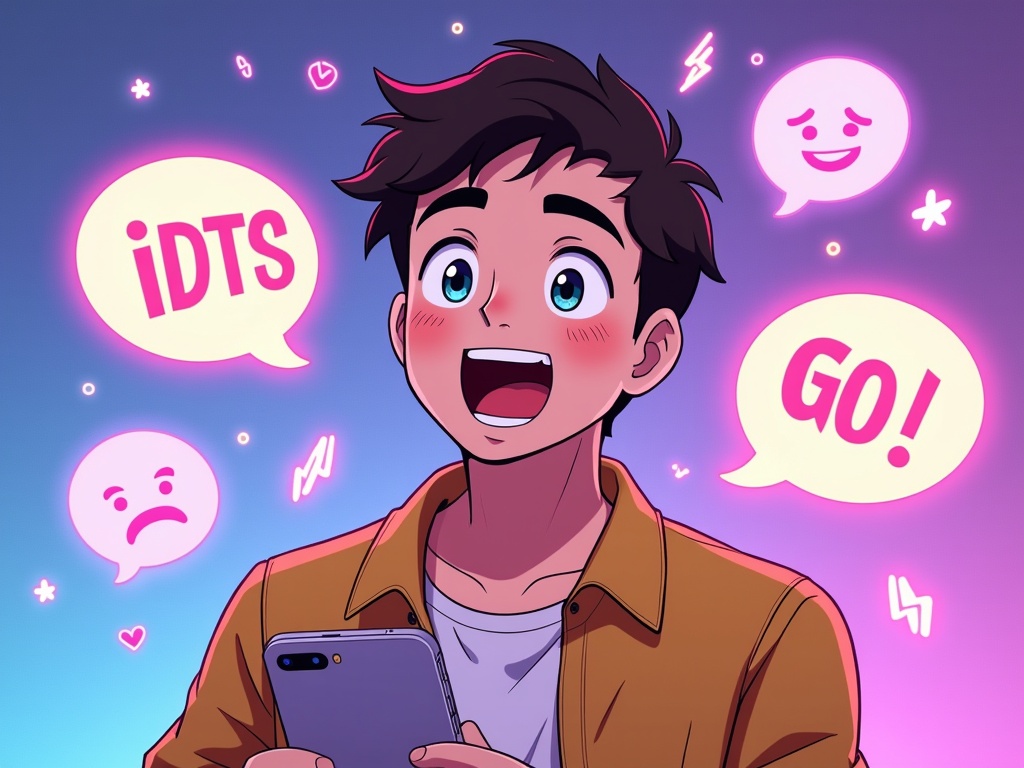
- What Does IDTS Mean in Chat? The Subtle Art of Polite Disagreement
- Why Does IDTS Matter in Online Chats?
- How IDTS Works In Real Life Chats
- IDTS In Comparison: How it Stacks With Other Chat Acronyms
- When Should You Use IDTS?
- A Few Examples to Feel It Out
- FAQ
- Is IDTS rude to use in chats?
- Can I use IDTS in professional communication?
- Is IDTS understood globally?
- Putting It All Together
What Does IDTS Mean in Chat? The Subtle Art of Polite Disagreement
Friends, have you ever been in a chat where someone says something you totally don’t agree with, but you want to respond without sounding harsh or rude? That’s where the abbreviation IDTS steps in like a diplomatic hero. IDTS simply means "I don't think so." It’s one of those small digital weapons we wield to express doubt or disagreement—but in a non-confrontational way.
Before delving more, if you’re into witty language play, check out some entertaining pun jokes that not only lighten any chat but also show how creative language can be.
Why Does IDTS Matter in Online Chats?
Imagine chatting with a friend who confidently says, "This new cafe is the best in town!" You want to express your contrasting experience without sounding dismissive. Typing “IDTS” says, “Hey, I don’t share that opinion,” but gently. It’s polite skepticism wrapped up in a neat little acronym.
This humble phrase fills a niche: expressing a skeptical or doubtful opinion—but with a touch of softness so that conversations stay friendly and balanced.
How IDTS Works In Real Life Chats
Let me share from experience. Last week, a friend messaged me saying, "IDTS the new movie will win awards." I paused, feeling differently, but instead of outright confrontation, I texted back "IDTS, I thought the plot was weak."
It’s a wise tool for:
- Expressing disagreement without attacking
- Offering doubt gently
- Encouraging open debate without escalating tension
IDTS In Comparison: How it Stacks With Other Chat Acronyms
| Acronym | Meaning | Tone | Use Case |
|---|---|---|---|
| IDTS | I don't think so | Polite disagreement | When you doubt or disagree but want to stay neutral |
| IMO | In my opinion | Neutral | Sharing subjective thoughts respectfully |
| IDK | I don't know | Neutral | Expressing uncertainty |
| IBTD | I beg to differ | Slightly assertive | Polite disagreement but stronger than IDTS |
| SMH | Shaking my head | Judgmental | Expresses disappointment or disbelief |
This little table shows why IDTS stands out: it’s perfect for a subtle “hmm, I think differently," without sparking a digital flame war.
When Should You Use IDTS?
- When you want to gently disagree without hurting feelings.
- To express skepticism about someone's opinion or info.
- In casual chats, text messages, and social media posts.
- When you want to keep dialogue light but honest.
Avoid using it in:
- Formal emails or professional contexts.
- Sensitive discussions where blunt clarity matters.
- Situations needing deeper explanations.
A Few Examples to Feel It Out
Friend: "Do you think Jake will come to the concert?"
You: "IDTS, he hasn’t replied all day."Colleague: "This project will be done by Monday."
You: "IDTS, given the current pace."Sibling: "Mom will love this gift."
You: "IDTS, she’s been dropping hints for something else."
Notice how it keeps things casual and conversational.
FAQ
Is IDTS rude to use in chats?
Can I use IDTS in professional communication?
Is IDTS understood globally?
Putting It All Together
In the swirl of digital chatter, subtleties like IDTS allow us to communicate disagreement without discord. It’s like a conversational pause, a way to say, “I hear you, but I disagree a bit.” It keeps chats alive, respectful, and open for dialogue.
Next time someone drops a claim you question, try slinging IDTS their way—see how it changes the tone of the conversation. Words are powerful, but knowing how to soften them is an art.
And hey, if you enjoyed seeing how words play like puzzle pieces, you might want to dive into the world of clever pun jokes. After all, language is more than just words—it’s a playground of ideas.
Let this little phrase remind you: disagreement doesn’t have to divide; sometimes, it just nudges us to think a little deeper. Keep chatting, keep questioning, and keep discovering the music in every message.