
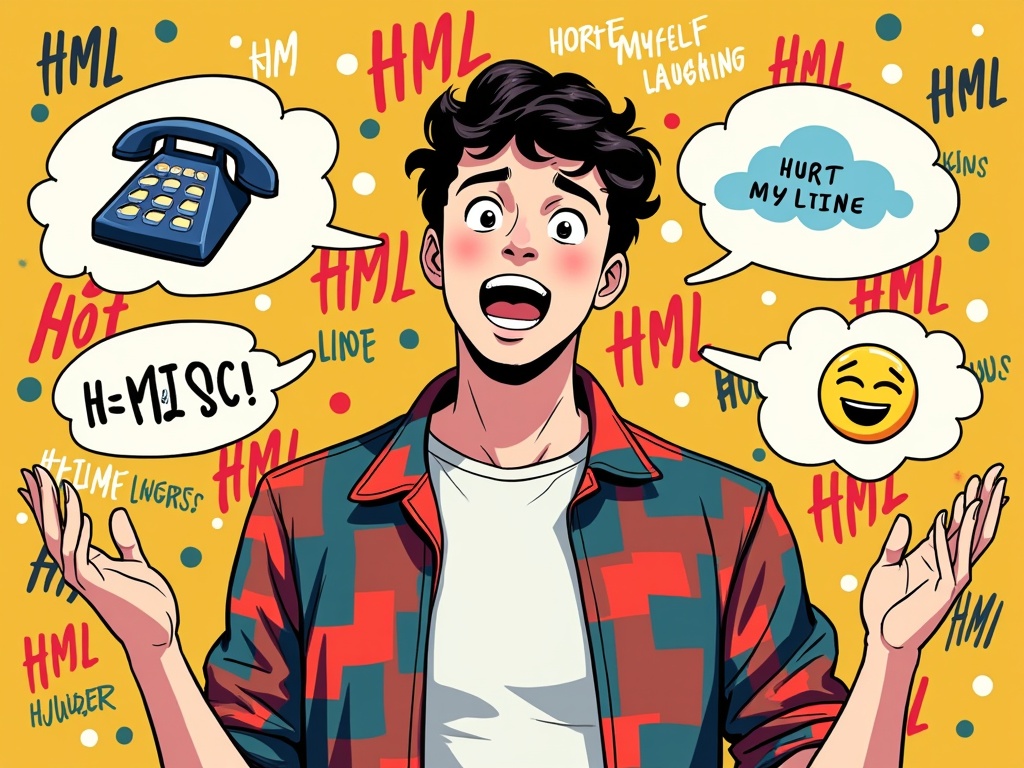
- What does HML mean in text? Understanding the different shades of this common acronym
- Multiple meanings of HML: Context controls everything
- 1. Hit My Line
- 2. Hate My Life
- 3. Hurt Myself Laughing
- 4. Other Meanings
- How to know which HML fits the moment?
- Table: Comparing popular HML meanings by context and use
- Friends, ever found yourself wondering if you hit the right line, or just hit a low? That’s the power of three simple letters: HML. What will yours mean next time you see or send it?
- Frequently asked questions about HML
- What does HML most commonly stand for?
- How can I tell what someone means by HML?
- Is HML ever used to mean “hurt myself laughing”?
- Can using HML be misunderstood?
What does HML mean in text? Understanding the different shades of this common acronym
If you've ever been scrolling through texts or social media and stumbled upon "HML," you might have paused, wondering, "What on earth does this mean?" It’s one of those acronyms that wears multiple hats, depending on context and the mood of the conversation. Before diving in, for a laugh break or sharp pun on words related to expressions like HML, don’t miss the creative flair you can find at pun jokes—it’s a goldmine when you want to twist language into something fun.
Let’s unpack the popular meanings of HML and when you might bump into each.
Multiple meanings of HML: Context controls everything
1. Hit My Line
The most straightforward and arguably the most positive, Hit My Line is a casual call to action. It means "call me" or "text me." Imagine your friend saying, “Hey, HML later?” They're simply asking you to reach out, catch up, or share the latest scoop. This meaning pops up mostly in friendly chats, social media DMs, and texts when someone wants to keep the connection open.
2. Hate My Life
Flip the coin, and Hate My Life is a heavier, much more emotional meaning. This is what someone might type when they're feeling overwhelmed, frustrated, or down—maybe after a bad day, a breakup, or some unlucky event. For example, "Lost my wallet and missed the bus. HML." It’s like a digital sigh, a quick way to mark your low point.
Keep in mind, when someone sends HML as "hate my life," it’s a call for empathy, but it’s tricky—sometimes cheering them up might backfire, so often the best support is just to listen and let them vent.
3. Hurt Myself Laughing
Less common but equally vivid, this meaning flips the tone completely. Hurt Myself Laughing is used when something is just so hilariously funny that it physically affects you, maybe your stomach hurts from laughing too hard. It’s playful and lighthearted. Picture a meme that slaps so hard you drop your phone: "OMG, that vid made me HML!"
4. Other Meanings
The slang universe is vast. Other niche or quirky interpretations include:
- Help Me Lord (usually a dramatic, humorous plea)
- Heavy Metal Lover (yes, there’s that obscure usage!)
- Hot Monkey Love (rare and playful but definitely exists in some circles)
- Health Money Love (less slang, more motivational acronym)
These pop up but are far less common.
How to know which HML fits the moment?
When you see HML, context is king. Look at the tone of the conversation or the channel where it’s used—is it light and funny or heavy and serious? Are you talking with close friends who love puns, or is the vibe more raw and emotional? This will guide your decoding.
Table: Comparing popular HML meanings by context and use
| Meaning | Typical Use Case | Mood/Tone | Where You See It |
|---|---|---|---|
| Hit My Line | Asking someone to contact | Friendly, casual | Texts, social media, DMs |
| Hate My Life | Expressing frustration or sadness | Emotional, down | Personal texts, tweets, posts |
| Hurt Myself Laughing | Reacting to something very funny | Playful, humorous | Chats, comment sections, memes |
| Help Me Lord | Exasperation or dramatic plea | Dramatic or joking | Social media, memes |
- Easy to use in various contexts
- Expresses feelings quickly
- Popular and well-known
- Adds humor or seriousness as needed
- Potential for misunderstandings
- Negative connotations in some uses
- Depends heavily on context
- May lead to emotional misinterpretation